

CARB’s Environmental Justice Advisory Committee convenes with new membership
The California Air Resources Board (CARB) convened the newly appointed 2026-2029 Environmental Justice Advisory Committee on August 31, 2026, and has worked with community partners to hold two environmental justice tours and public meetings. The committee, required under the state’s landmark climate change law, Assembly Bill (AB) 32, is charged with advising CARB on the Scoping Plan and “any other pertinent matter” related to implementing the Global Warming Solutions Act of 2006. AB 32 specifies that members must come from communities in California with the most significant exposure to air pollution, including low-income communities and communities of color.
Committee role and importance
For years, the committee’s primary role was to advise the Board on supporting CARB’s Scoping Plan process, which guides the state’s long-term climate strategy. But beginning in March 2023—at the recommendation of former CARB Chair Liane Randolph—the committee transitioned to advising the board beyond the Scoping Plan cycle and the committee became permanent. This signaled the importance of addressing environmental justice across AB 32 programs, reflecting the agency’s growing emphasis on equity and community‑centered policymaking.
The 2026–2029 committee includes ten members and two alternates. Two members are returning: Thomas Helme, and Martha Dina Argüello. who has served on the committee since its inception in 2007.

Here are the committee members and their affiliations:
Alex Mantanona, Central Coast Alliance United for a Sustainable Economy (CAUSE)
Catherine Baltazar, Climate Resolve
Edidiong Mendie, Ezrach Brain Trust Association
Franco Pacheco, Inland Valley Alliance for Environmental Justice
Jeffrey Sanchez, Sequoia Foundation (Bay Area Public Health Non-Profit)
Jennifer Elkins, Grassroots Organizers for Accountable Landfills (GOAL)
Leonard Powell, Hopland Band of Pomo Indians
Martha Dina Argüello, Physicians for Social Responsibility- Los Angeles (PSR-LA)
Río Oxas , RAHOK
Thomas Helme, Valley Improvement Projects (VIP)
Meeting in South Sacramento strengthens community connections
The August meeting and accompanying tour were held in South Sacramento in partnership with the Sacramento Environmental Justice Coalition—an intentional decision reflecting requests from prior committee members that the committee’s work be better grounded in the communities it represents and that tours be provided as part of committee discussion.
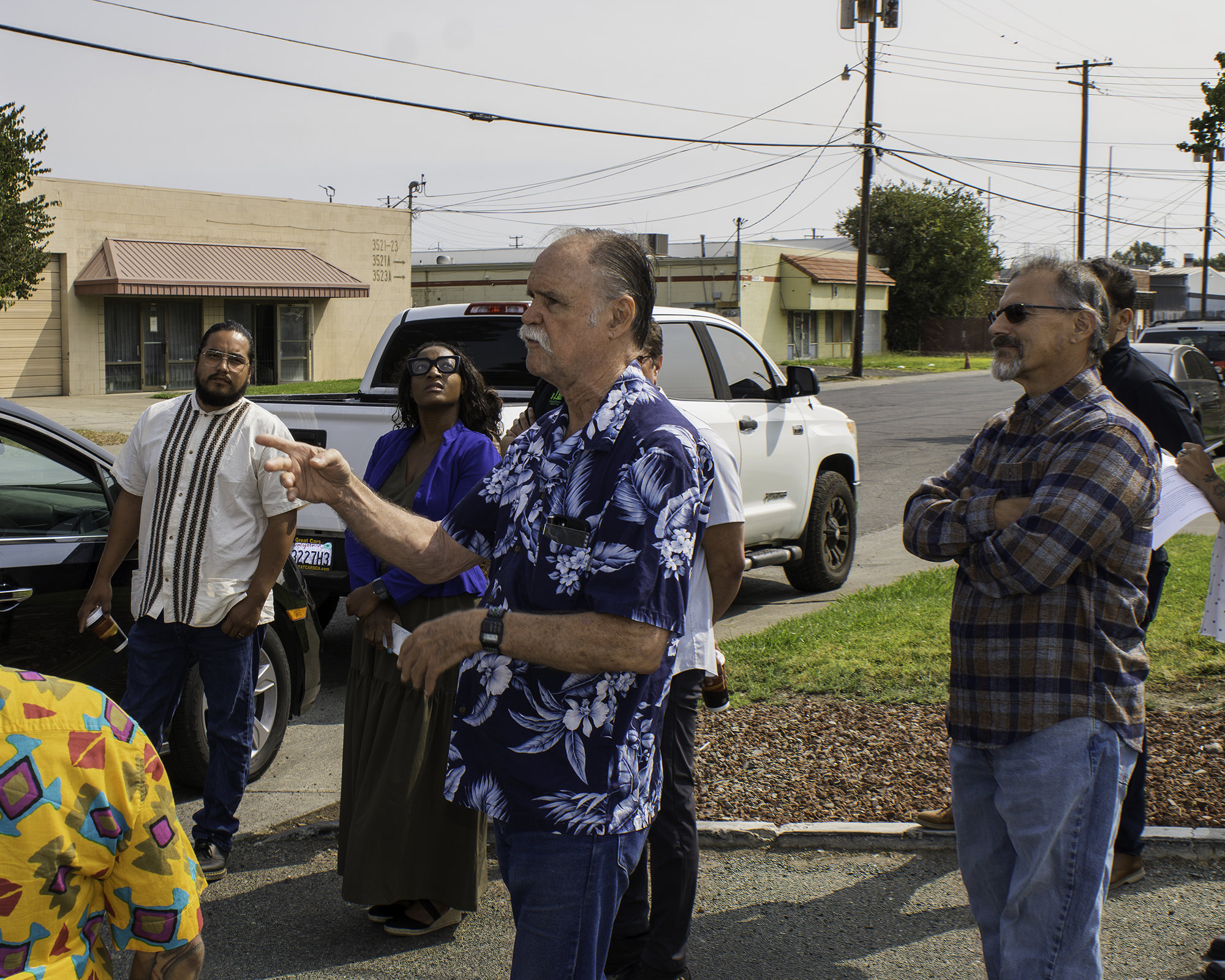
The tour included a stop at a community pollution sensor used by residents to monitor air quality. At the second stop in James Mangan Park, neighborhood leader Jennifer Holden, president of the Mangan Park Neighborhood Association, told committee members that residents have long been exposed to lead pollution from aircraft using leaded aviation gasoline. Holden also described concerns about historic lead contamination, including from a shooting range at the site, which was closed due to lead poisoning.
Background briefing on carbon storage law
During the meeting, CARB staff provided an in-depth presentation on the regulatory requirements for Senate Bill (SB) 905 and the multiple agencies involved. The topic of SB 905 and Carbon Capture, Removal, Utilization, and Storage (CCUS) Program is the first topic the committee is considering for recommendations to the board. SB 905 requires CARB to create the CCUS Program to evaluate, demonstrate, and regulate CCUS and carbon dioxide removal projects and technology. These types of projects prevent industrial carbon dioxide from entering the atmosphere or remove existing CO2 directly from the air. They can also reduce other harmful air pollutants through the capture process and create jobs to support local economic development.
This committee discussion set the stage for the committee’s AB 32 advisory role in assessing how CARB’s AB 32 programs intersect with environmental justice considerations.
California’s ambitious climate goals require both significant reductions in greenhouse gas emissions and growth of carbon capture. CARB must meet the regulatory requirements in SB 905 and CCUS is considered an essential tool in achieving carbon neutrality. The Board is expected to take up carbon capture at the end of this year.
Kern County meeting
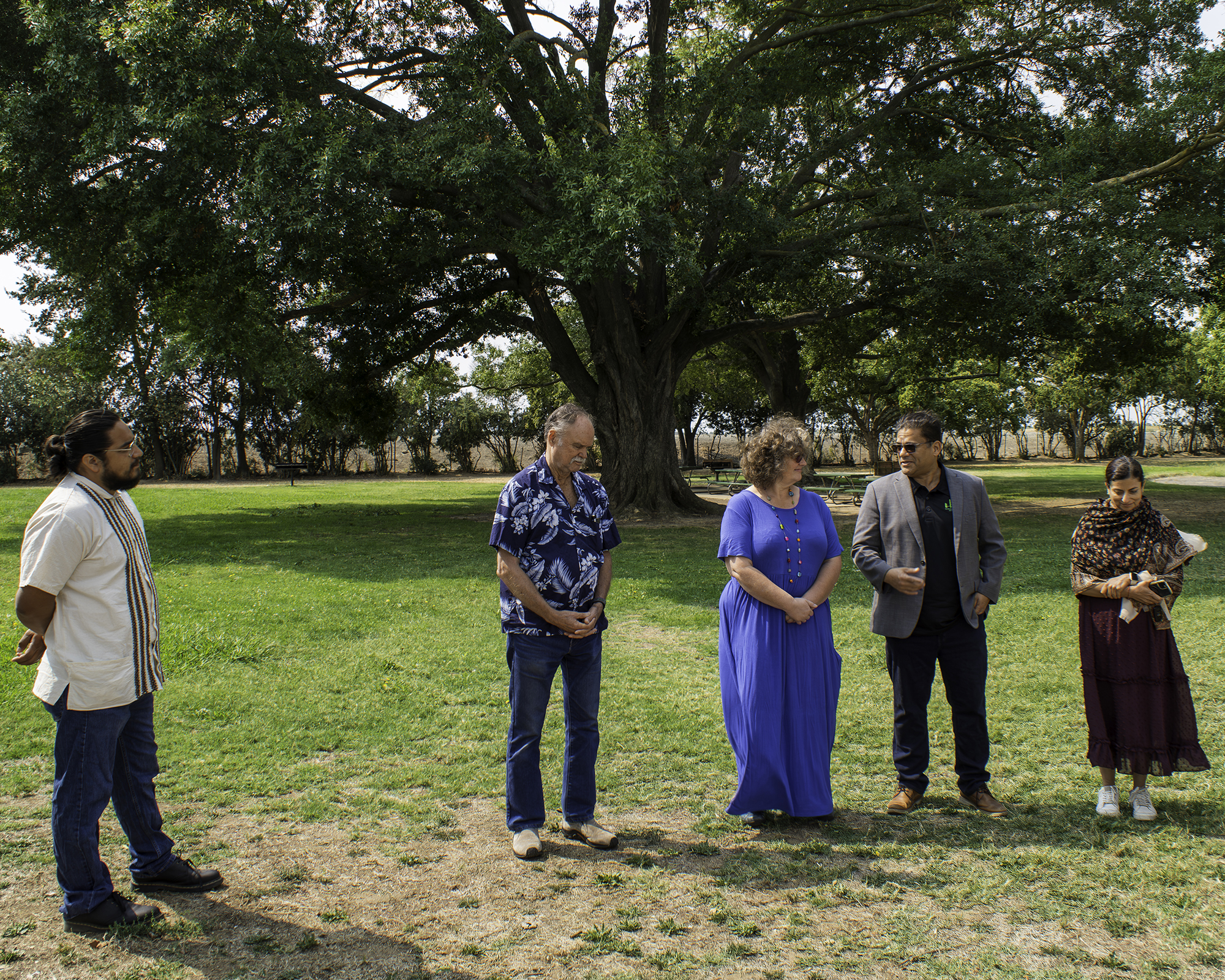
CARB, in partnership with the Central California Environmental Justice Network, held the second meeting of the new committee in Buttonwillow, a small farming community in rural Kern County, on September 30, 2026. In the morning, committee members and CARB staff received a tour that addressed concerns about dust and emissions. This environmental justice tour included stops at the Fuller Acres community of Bakersfield, Truxton Park, a drive through China Grade Loop to see the oil fields, and Buttonwillow. In the afternoon, CARB staff shared its AB 32 priorities for committee member consideration, including SB 905 and CCUS. Committee members also heard community perspectives on SB 905 and CCUS.
The next committee meeting will be scheduled soon and is anticipated in early November. For more information on the committee please visit Environmental Justice Advisory Committee | California Air Resources Board.
