

LCTI: Ecosystem of Shared Mobility in the San Joaquin Valley
Clean Mobility Options Regional Pilot Project
San Joaquin Valley Air Pollution Control District | Ecosystem of Shared Mobility in the San Joaquin Valley

Project Details
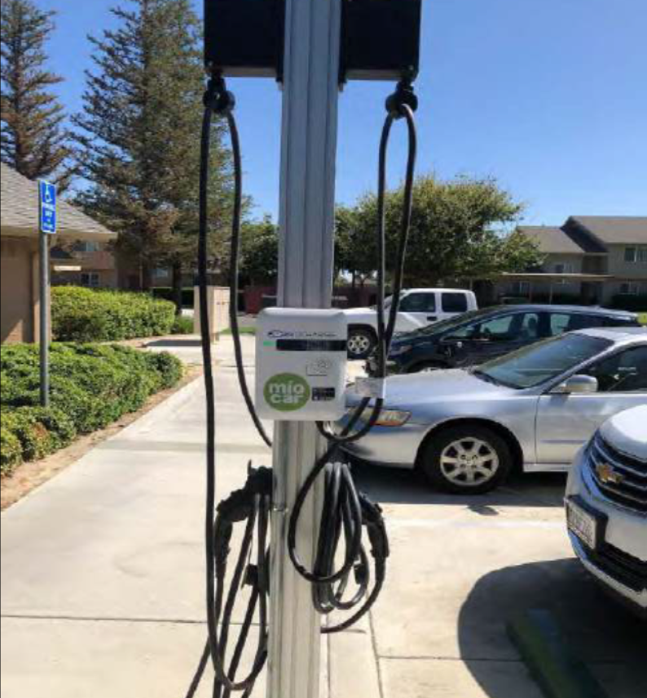
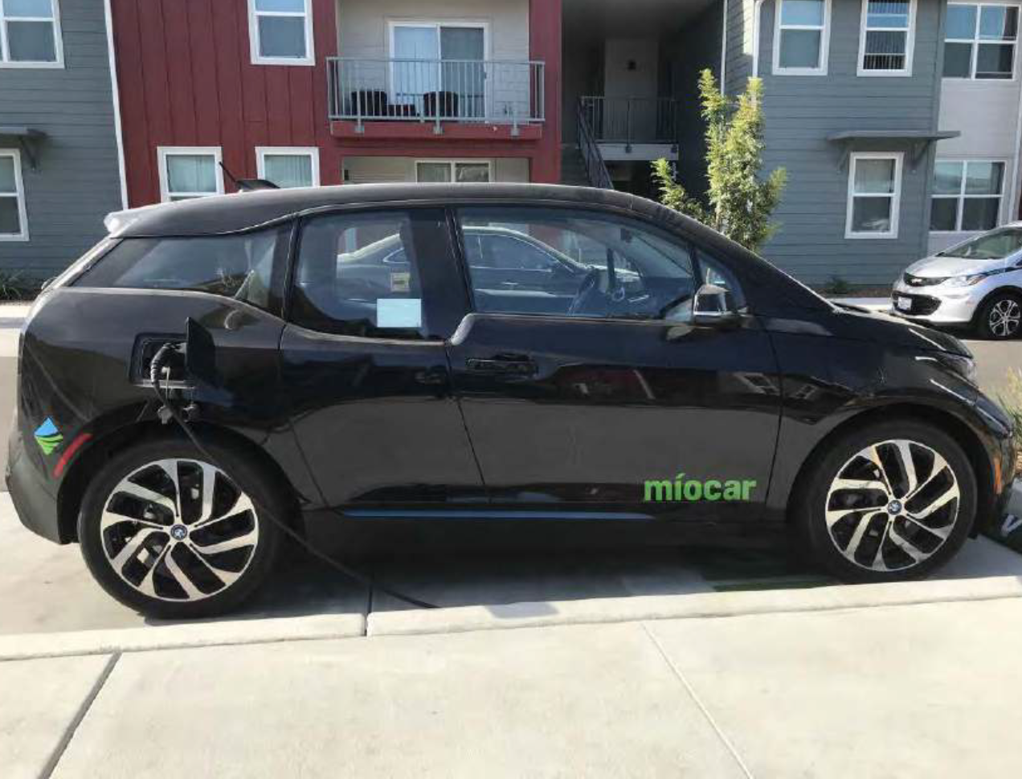
The Ecosystem of Shared Mobility in the San Joaquin Valley project had three components and the grant term ran from May 2018 to July 2022. The first component was a battery electric and hybrid vehicle carsharing service MíoCar (formerly known as Valley GO) deployed in affordable housing communities located within Tulare and Kern County. The second component, VAMOS (formerly known as Valley Flex), was a Mobility as a Service (MaaS) application that provided trip planning support using existing transit services within local transit agencies in Stanislaus and San Joaquin Valley County. The third component provided free rides to residents from volunteer drivers when transit was not an option through a ride hailing service called VOGO (Volunteers on the Go).
The project started operations in August 2019, but due to COVID-19 was non-operational from March 2020 until June 2020, the services then relaunched from July 2020 until March 2022. The grant term for the project ended July 2022; however, the Míocar service is still operational and has expanded to other locations through new grants and partnerships.
Project Outcomes
Funding Details
Grant Amount: $3,119,000
By the Numbers
Services, Vehicles & Equipment Funded
- 27 battery electric and plug-in hybrid electric vehicles
- 17 Chevrolet Bolts
- 7 BMW i3 REx's
- 3 Chrysler Pacifica Hybrids
- 17 chargers at 8 affordable housing sites in Tulare and Kern counties
- 210+ Members
- 160,000+ Miles travelled
- 2,650+ Míocar trips
- 1,900+ trips driven by VOGO drivers
Estimated Quantifiable Benefits
- GHG emission reductions: 2,054 MTCO2e
- NOx reductions: 640 lbs
- PM2.5 reductions: 176 lbs
- ROG reductions: 132 lbs
Community Details
The communities this project served/benefitted are low-income communities in the cities of Orosi, Dinuba, Visalia, Lamont, Arvin, and Wasco and in the counties of Tulare, Kern, Stanislaus, and San Joaquin. The project served over 25 disadvantaged community census tracts, including residents without access to a vehicle, non-English speakers, undocumented residents, and people of color. The Miocar service had a largely Hispanic participant demographic, serving residents with an annual household income from below $25,000 to over $50,000. The VOGO service had a largely White participant demographic, serving residents with an annual household income from below $10,000 to over $25,000. The VAMOS service also had a largely Hispanic participant demographic, serving residents with an annual household income below $10,000 to over $50,000.
Partnership Structure
Grantee
San Joaquin Valley Air Pollution Control District
Project Partners
- Sigala Inc.
- UC Davis Institute of Transportation Studies
- Mobility Development
- Self Help Enterprises
- San Joaquin Valley Community Shared Mobility
- MOVE
- Tulare County Association of Governments (TCAG)
- Kern Council of Governments (Kern COG)
- City of Dinuba Transit
- San Joaquin Valley Rural Development Center
- Kern County
- Ride Tulare County
- San Joaquin Council of Governments (SJCOG)
- Stanislaus Council of Governments (StanCOG)
- City of Escalon
- City of Manteca
- San Joaquin Regional Transit District
- Shared-Use Mobility Center