
How California Tracks the Air We Breathe
Air pollution is one of California’s biggest health challenges. It contributes to thousands of premature deaths and hospitalizations each year. Air pollutants are linked to breathing and heart diseases that especially impacts kids, older adults, and people with existing health problems. That is why monitoring air quality is essential for protecting public health and identifying communities where pollution risks are higher.
The California Air Resources Board (CARB) carries out this work statewide with partners from 35 local air districts and community groups. The work is conducted through monitoring stations, community monitoring programs, and mobile monitoring systems.
Pollutants We Track
CARB monitors several types of air pollutants, including criteria pollutants and toxic air contaminants.
Smog forms from a mix of pollutants, including criteria pollutants such as ozone, fine particles, and nitrogen dioxide. The federal government regulates these pollutants because they are common in outdoor air and can harm people’s health.
Toxic air contaminants can cause serious health effects even at low levels. They include chemicals like benzene and formaldehyde that come from sources such as fuel, industrial activities, and some consumer products. CARB tracks these pollutants to assess their impact on air quality, climate, and public health.
How Air Quality is Monitored Statewide
Understanding how air quality is monitored in California involves not only knowing which pollutants are measured but also how monitoring is carried out.
The California Ambient Air Monitoring Network is the primary resource used to track air quality and collect accurate data about pollution levels and sources. This information helps guide the creation of policies and programs that protect clean air for all Californians.
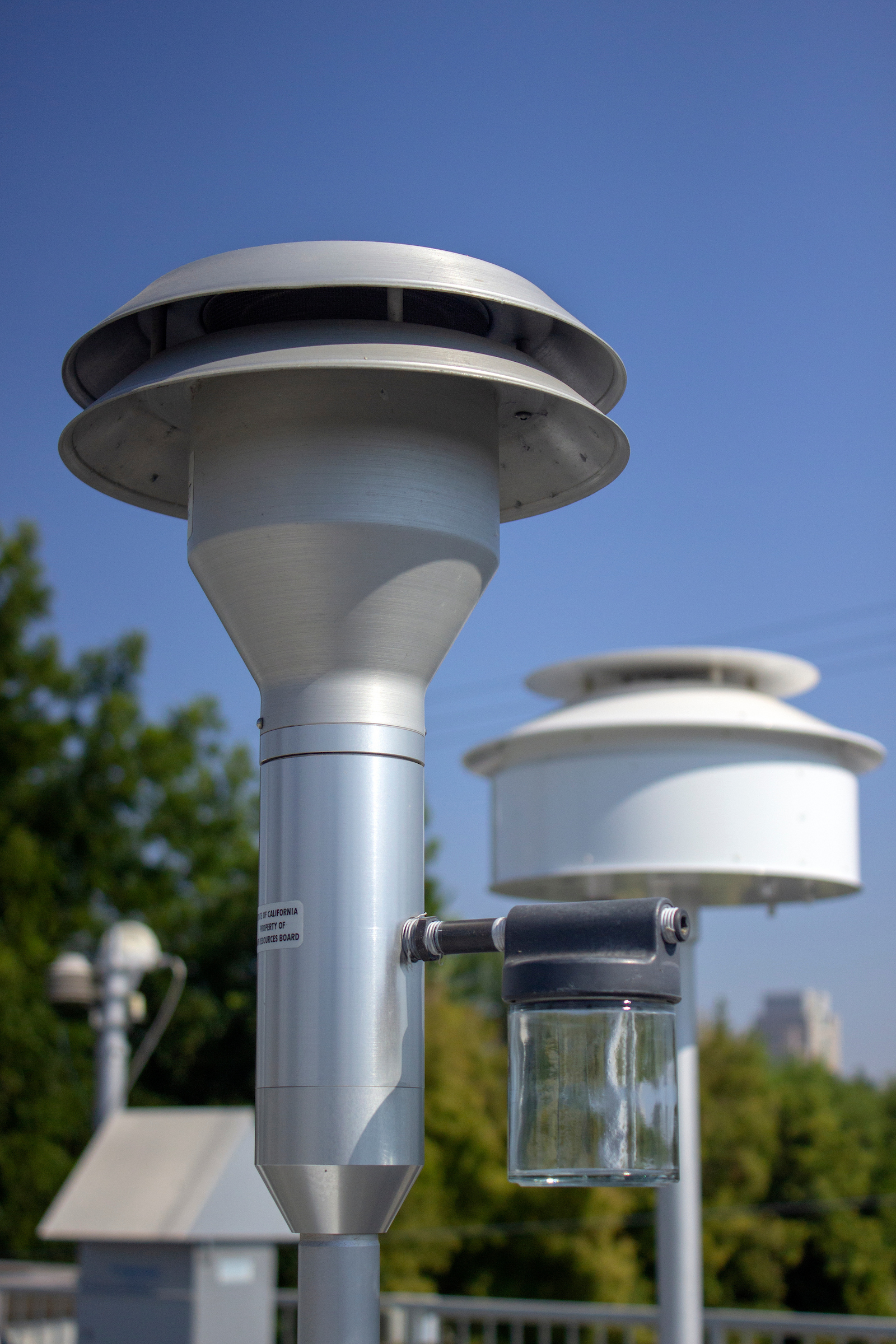
The network also measures local weather conditions—such as wind, temperature, and humidity—because these factors affect how pollution forms and moves.
According to Walter Ham, chief of CARB’s Monitoring and Laboratory Division, California’s diverse landscape creates unique air quality challenges. This factor, when combined with the state’s large population and economy, requires a robust, science-based monitoring strategy to protect people´s health.
With more than 250 monitoring stations located across the state, the network is one of the largest air-quality monitoring systems in the world. CARB actively collaborates with federal, state, and local agencies to operate this network.
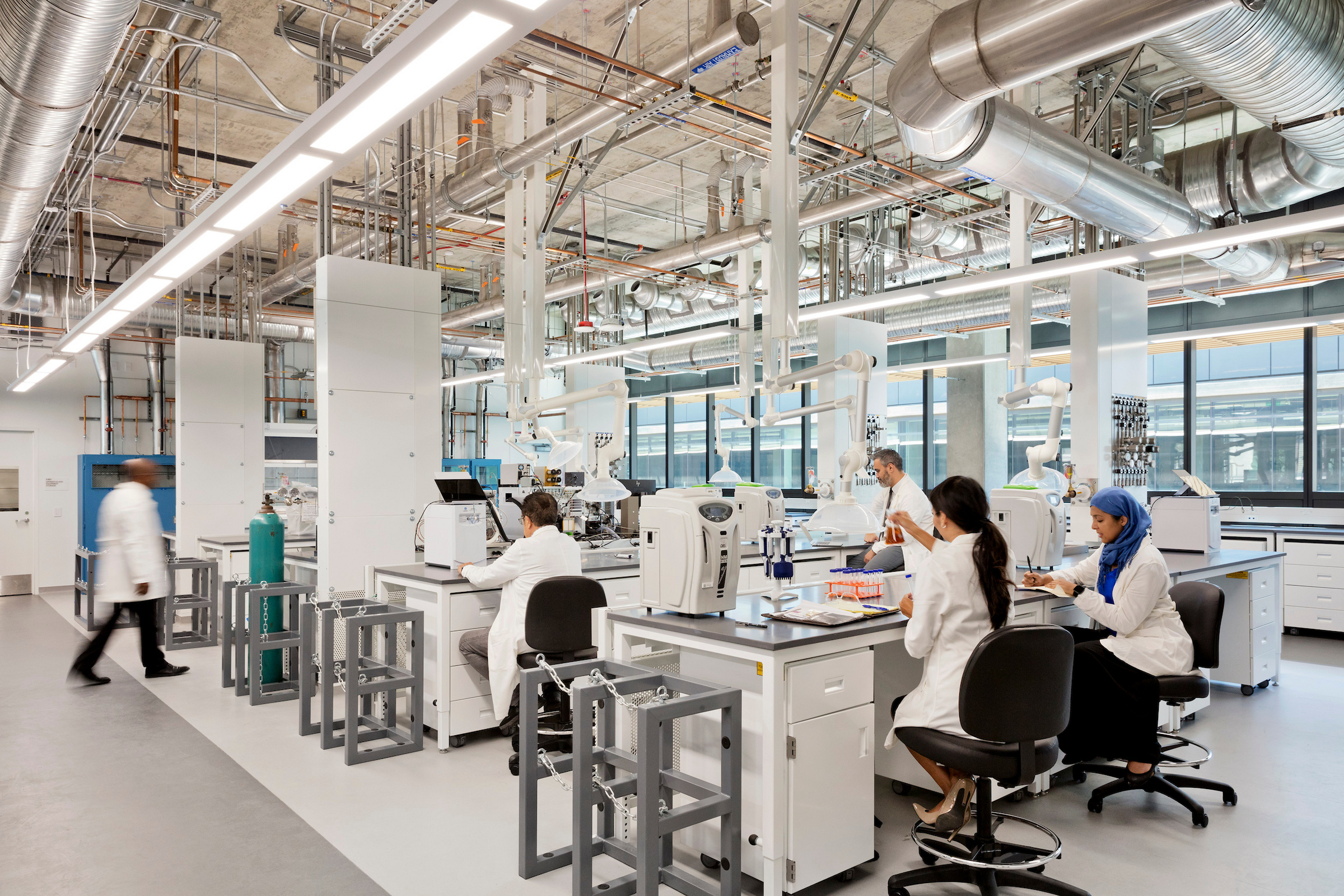
Monitoring sites are selected to reflect California’s diverse air quality conditions — from mountains and valleys to coastal areas, urban corridors, and agricultural regions. CARB staff determine where monitors are needed and adjust plans to the practical realities of locations.
Each monitoring station uses federally approved air monitoring equipment—such as nitrogen dioxide sensors, particle monitors, and ozone analyzers — to track pollution in real time. Behind this high-tech system is a team of air quality specialists, engineers, technicians, chemists, and data scientists who bring the expertise needed to keep the monitoring network running.
Because the network follows strict federal rules, its data is reliable enough to guide official air quality decisions. These measurements help state and federal agencies assess California’s success in meeting national ambient air quality standards for criteria pollutants. The measurements also identify areas that do not meet clean-air requirements. And they help develop pollution-reduction plans when air quality is unhealthy.
Community Air Monitoring
The statewide network provides broad regional air quality monitoring, but it cannot capture every neighborhood’s unique air quality challenges. To fill this gap, air districts work with CARB to carry out local air monitoring, particularly in communities facing the highest pollution burdens.
“Even with major regional improvements over the decades, many neighborhoods still face higher pollution levels because of how close they are to emission sources. That’s why this type of community-level measurement exists — to identify those hotspots and make sure local impacts aren’t overlooked,” said Ham.
Community air monitoring is part of the Community Air Protection Program. It was established in response to Assembly Bill 617 in 2017. The program includes Community Air Monitoring Plans, Community Emission Reduction Plans, incentives, enhanced enforcement, rulemaking, and engagement initiatives.
CARB selects communities for emission reduction and air monitoring efforts under the Community Air Protection Program. CARB completes updates the statewide strategy to reduce pollution in overburdened areas and provides grants to support community participation and better air quality.
Community Air Monitoring Plans and Community Emission Reduction Plans guide how air monitoring and emission reduction work at the local level. The plans are developed by air districts and community groups with support from CARB. Air districts carry out the plans and day-to-day operation.
Some industrial facilities — most notably refineries — operate fenceline and community air monitoring systems, adding real-time air quality measurements in local areas.
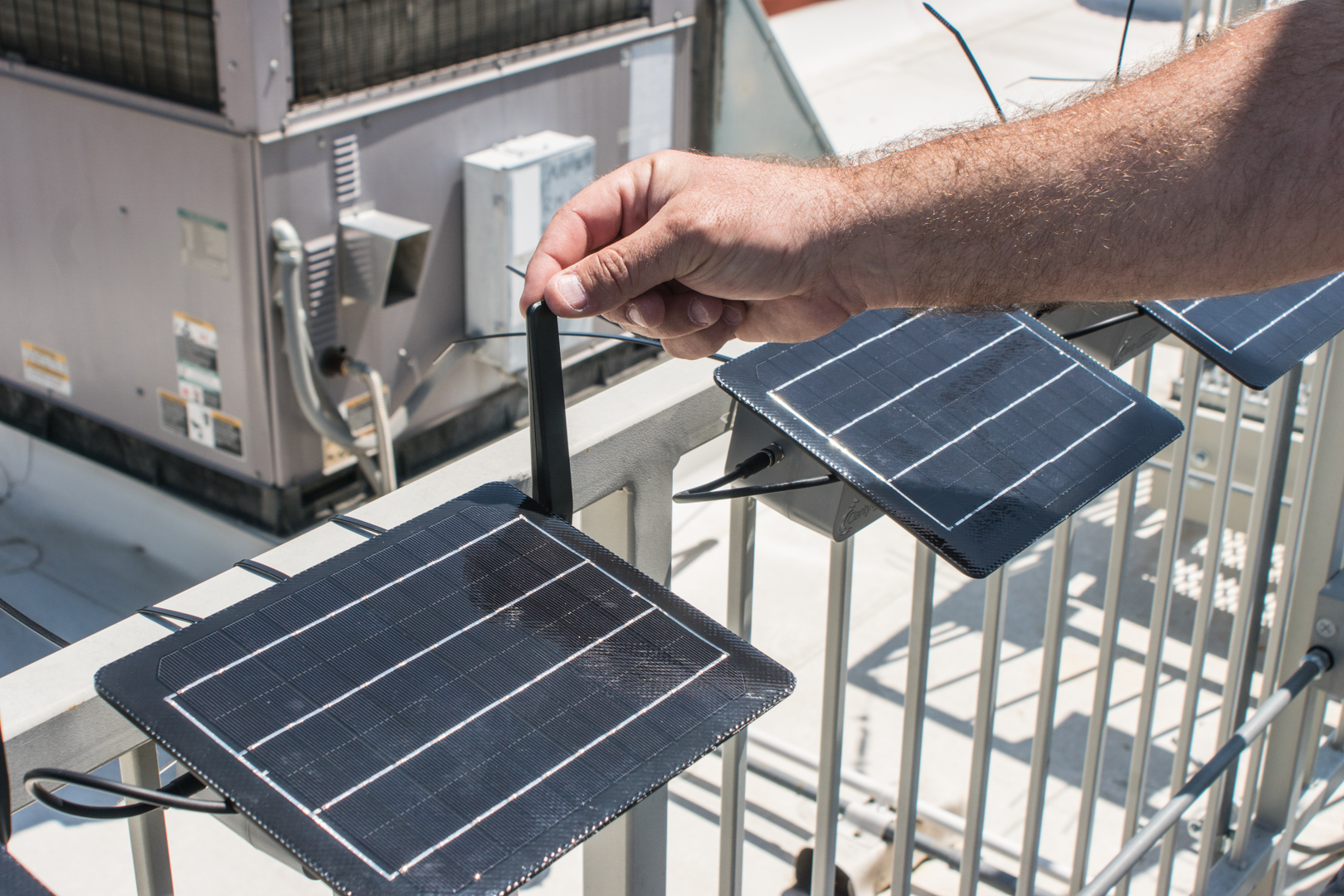
Fixed monitors are used in communities. They are found at statewide stations, while smaller, lower-cost sensors can be placed in neighborhoods, schools, or near local sources of pollution. These tools provide more granular, localized information than regional monitoring alone.
Measuring Air Pollution on the Move
CARB has used zero-emission vehicles equipped with air monitoring tools to carry out mobile air monitoring for many years in research studies and special projects. These monitoring platforms make it possible to collect highly detailed, block-by-block air pollution data in and around neighborhoods.
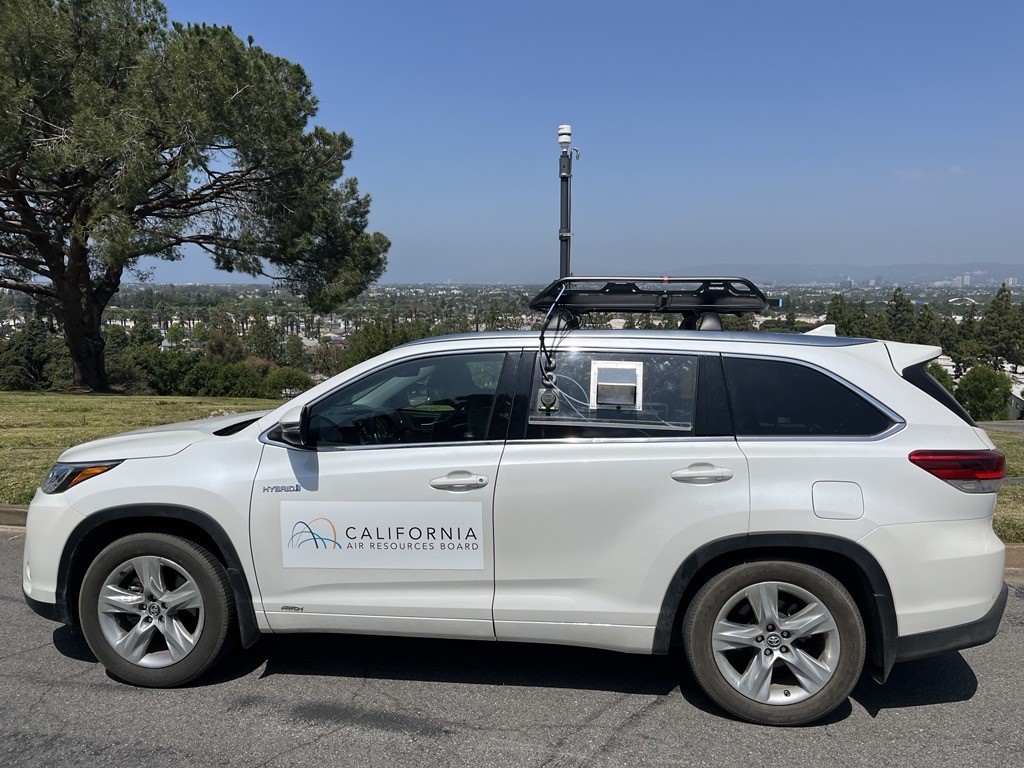
CARB conducted the Statewide Mobile Monitoring Initiative in June 2024. It included more than 40 community-based organizations across California to understand local concerns. The pilot project used sensor-equipped vehicles and mobile laboratories to measure air quality in 64 communities. The communities had been repeatedly recommended for inclusion in the Community Air Protection Program by local air districts, community-based organizations, and residents.
The data will be used by government agencies, scientists, air districts, and communities to identify air quality issues. It will help focus future air monitoring decisions, shape community emission reduction plans, and support future academic research.
Why Air Quality Monitoring Matters
Air quality monitoring is key to protect Californians’ health. It shows where pollution levels are highest, how often people breathe harmful air, and what the health risks are.
CARB uses air quality monitoring data to guide creation of regulations and programs that reduce pollution statewide. This ensures that the state can provide support to the communities that need it most and measure our progress toward cleaner, healthier air for everyone.
For many Californians, this real-time information is not abstract — it shapes daily decisions, especially during events like wildfire smoke. Tools like California Smoke Spotter help people decide whether to limit outdoor exercise, adjust commute times, or take precautions for vulnerable family members based on current air conditions.
“When I first became a parent, we were in the middle of a wildfire, and other parents kept asking me what to do as smoke filled the air. We all understood how important it was for our children to spend time outside, but the conditions made everything uncertain. Families needed clear, reliable air-quality information to keep their kids safe. That’s why this work matters so much,” said Ham.
Related Sources
Common Air Pollutants — Overview of the major pollutants monitored statewide.
Air Quality and Meteorological Information System (AQMIS) — Provides real‑time, official air‑quality data for more than 150 California cities.
Ambient Air Quality Research — CARB’s scientific studies on air pollution and monitoring.
Community Air Protection Program – AB 617— Community‑focused air monitoring and emissions reduction efforts.
Community Air Quality Viewer (AQ View) — Access a community-focused air quality data portal.
SMMI Frequently Asked Questions — Answers to common questions about the Statewide Mobile Monitoring Program.